
The Climate-Change Diet
How Pfizer fixed the ozone—and your waistline—with one historic drizzle

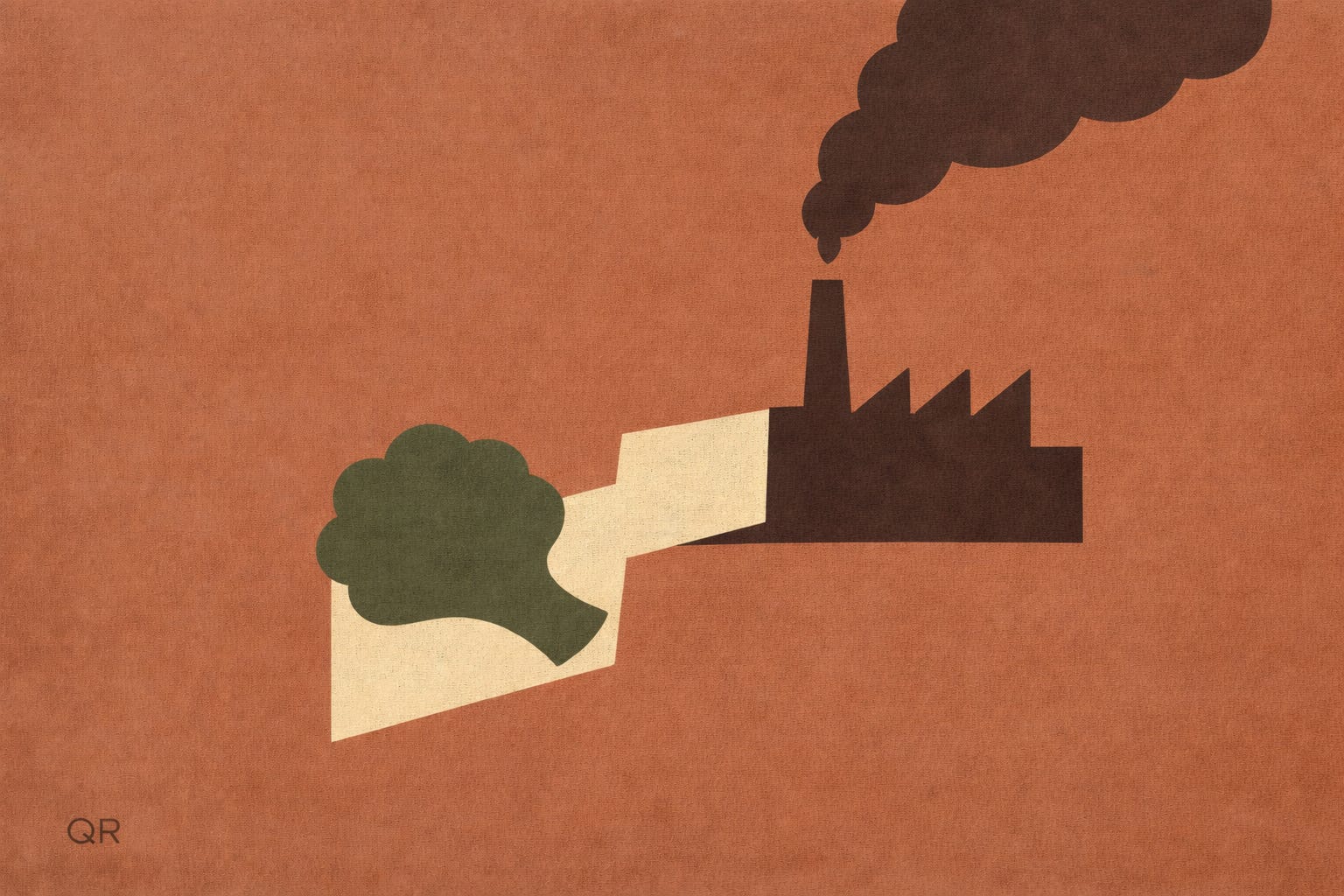
The Centers for Meteorological Health confirmed Monday that the colloquially named Ozempic Rain has reduced national waistlines by an average of 9.7 percent, with coastal shrinkage peaking near 12.4 percent after last weekend’s therapeutic front—leading to a record 39 trillion selfies within twenty-four hours—the first time that metric has surpassed the national debt, which remains stubbornly resistant to the slimming rain. Platforms buckled as newly lightened users documented their rediscovered jawlines.
“We are witnessing the most significant slimming of the American landscape since the Great Depression,” announced Dr. Lester Van Moose, undersecretary for Aesthetic Stability, mist glistening on his press-ready cheekbones.
Once a nation terrified of acid rain, we’ve moved on to precipitation that corrodes only self-esteem. Project AtmosFit—a joint venture between Pfizer Climate Solutions and the Department of Atmospheric Wellness—was conceived to “marry climate repair with personal improvement.” The result: a nation both environmentally and emotionally dehydrated. “We’re finally tackling two crises at once,” Van Moose said. “Obesity and optimism.”
Government figures are encouraging. Body-mass indices down 11 percent; mirror usage up 18; bridge-stress weight down 6; national smugness hovering at 7.2 on the Fahrvergnügen Scale. Economists credit Ozempic Rain for lowering fuel costs (“lighter commuters”) and reducing flight delays (“smaller carry-ons, faster boarding”).
Critics, however, note “uneven distribution.” Rural areas report heavier concentrations, with residents claiming entire cousins have “washed away.” One man in Kansas insists his car vanished “right out of the driveway,” though federal officials deny such a possibility, citing “abundant impound warrants.” FEMA now urges citizens to remain indoors during “high-confidence deluge events,” unless “unsatisfied with current figure.”
Congress responded with its usual meteorological dysfunction. Democrats praised the rain as “a bold, inclusive step toward atmospheric equality.” Republicans condemned it as “chemical socialism.” Hearings featured Representative Burdette of Texas holding a dripping cruller and shouting, “This was breakfast before Biden!” Two competing bills emerged—the Slim Act (to expand the drizzle) and the Freedom to Drip Bill (to outlaw umbrellas). Both failed once lobbyists realized they shared donors.
Outside the Capitol, activists staged what organizers called the world’s first zero-emission protest march—a stationary event featuring recycled signage and a collective sense of moral superiority. Their figurehead, twenty-year-old influencer Meta Thinburg, appeared via carbon-neutral hologram projected from a yacht powered by pure conviction.
“This rain may be slimming,” Thinburg intoned in her staccato cadence, her image flickering in the drizzle, “but the real weight we must shed is our addiction to convenience.” She paused for applause that never arrived. “If the sky can medicate us,” she added, “surely it can also learn to cry responsibly.”
Supporters cheered softly into compostable megaphones. Reporters noted that Thinburg’s next stop would be the Global Serenity Summit in Saudi Arabia, which she plans to reach by symbolic canoe towed behind a private jet “for efficiency of message.”
The President has, as always, remained weather-neutral. On Monday he applauded Ozempic Rain as “a triumph of American innovation.” Tuesday he denied knowing what it was. Wednesday he clarified that he’d confused it with acid rain and that he was “pro-water, generally.” Approval ratings fell 5.3 percent—roughly the national average in body fat.
Enter Randolph F. Kennington Jr., podcast host of Pure Air, Pure Thoughts. “I’m not anti-rain,” Kennington insisted at a rally in Denver, “I’m anti-pigment.” He supports the slimming mist—calls it “patriotic detoxification”—but objects to its cheerful pink hue. “Those are nanopigments, folks. They seep into your pineal gland and next thing you know your toddler’s pronouncing quinoa correctly.”
Across university towns, academics have begun wearing reflective “thinking caps”—umbrellas retrofitted for the scalp—claiming the mist is “rearranging neural density.” Observers note that the smarter the wearer, the larger the hat. Officials insist there’s “no evidence of cranial shrinkage,” though they continue monitoring Ivy League head sizes.
Kennington’s movement, #NaturalCloudsNow, has gained traction among wellness libertarians and people who already owned camping gear. They demand color-free drizzle, “unscented skies,” and hearings on “rainbow weather bias.” In response, the Department of Atmospheric Wellness pledged to explore “a neutral-tone formulation,” though insiders admit the pink branding “tests well with suburban moms.”
Corporate America adapted immediately. Lululemon launched Rain Absorb Pro leisurewear—fabric engineered to “retain up to 40 percent more efficacy.” Starbucks debuted the Cloud Nine Latte, fortified with trace semaglutide—their first new creation to outpace the Pumpkin Spice Latte since its inception. Delta introduced an “Ozempic Zone” fee for passengers under 130 pounds, citing “balance issues.”
Environmentalists warn that vanity runoff is altering ecosystems. Salmon in the Pacific Northwest have begun skipping spawning season “to focus on themselves.” Birds are flying longer distances without snacks, though several species have vanished entirely—too slender to register on radar.
Still, Americans appear delighted. Ninety-one percent describe the skies as “aspirational.” Eighty-two percent say they “feel lighter emotionally or physically, whichever polls better.” Only three percent express concern about “existential transparency.”
As drizzle season deepens, scientists predict the country will lose another 7 percent of collective mass by year’s end. Analysts warn that if rates continue, the United States may achieve full translucence by 2031—an unprecedented geopolitical condition known as Gossamer Superpower Status.
The administration remains upbeat. “There’s never been a better time to be barely here,” said Secretary Van Moose at a closing press conference, waving through his own outline as it faded into the mist.
Sidebar Update—Forecast: Mostly Serotonin
The Department of Atmospheric Wellness has announced Project AtmosFit’s second phase, AtmosFluoxetine, designed to “stabilize national temperament through light seasonal precipitation.” The spray promises to offset the irritability observed in citizens who’ve become “too light to feel grounded.”
“Phase Two will bring emotional equilibrium to the skies,” said Secretary Van Moose, now little more than a glimmering outline behind the podium. “We’ve lifted the weight—now we lift the mood.” The new formula will include trace antidepressants, electrolytes, and a “mild sense of civic purpose.”
Congress split along predictable lines. Democrats hailed it as “a compassionate drizzle for a divided nation.” Republicans called it “the nanny state in cumulonimbus form.” The President welcomed “bipartisan weather,” then denied saying so.
Trials begin next month in Portland, Seattle, and Washington, D.C.—cities long familiar with gray skies and moral fatigue.
The extended forecast calls for light satisfaction through Friday, tapering to a faint sense of connection by Sunday.
(Illustration by a government contractor who has since evaporated.)
I truly lol’ed!
Loved this one